

Buying Property Near Dubai Airports: Investment and Rental Advantages
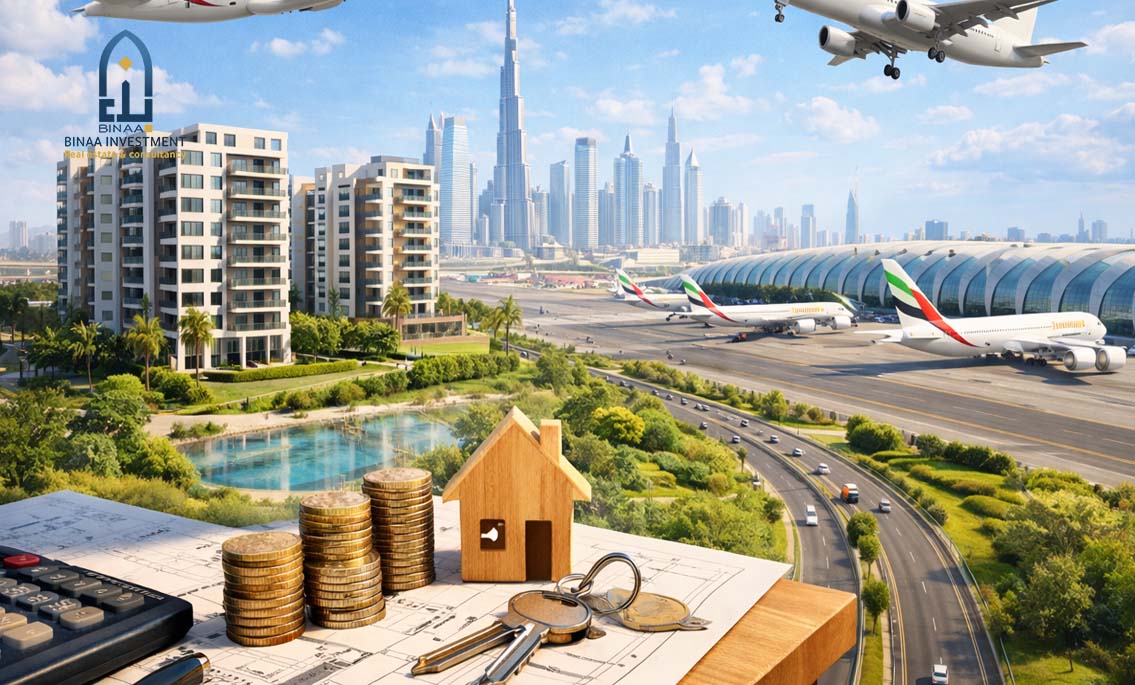
Buying property near Dubai airports has become an increasingly attractive strategy for real estate investors and end users seeking consistent rental demand, strong connectivity, and long-term value. In 2026, as Dubai continues to reinforce its position as a global aviation, tourism, and business hub, residential areas surrounding its major airports are gaining renewed attention. Proximity to airports is no longer viewed as a compromise on lifestyle; instead, it is now associated with accessibility, convenience, and resilient rental performance.
Dubai’s urban planning model has successfully integrated airports into the city’s economic and residential fabric. Rather than existing as isolated transit zones, Dubai’s airports are surrounded by well-developed communities that cater to professionals, airline staff, frequent travelers, and businesses. This integration creates a unique real estate dynamic where airport-adjacent properties serve both lifestyle and investment purposes.
Dubai’s Airports as Economic Anchors
Dubai is home to two globally significant airports: Dubai International Airport and Al Maktoum International Airport. Together, they form a core pillar of the city’s economic engine. These airports support aviation, logistics, tourism, trade, and a vast network of supporting industries, all of which generate sustained employment and housing demand.
For property investors, airports function as long-term economic anchors. Unlike seasonal attractions or trend-driven districts, airports operate continuously and expand gradually over time. Residential areas near airports benefit from this stability, as housing demand is closely linked to the permanent workforce and business activity generated by aviation-related sectors.
Why Proximity to Airports Drives Rental Demand


Rental demand is the most immediate advantage of buying property near Dubai airports. Areas close to major aviation hubs attract a wide range of tenants, including airline employees, logistics professionals, consultants, hospitality workers, and international business travelers. Many of these tenants prioritize location efficiency over luxury branding, making airport-adjacent communities highly desirable.
In 2026, rental markets near Dubai airports remain active year-round. Unlike tourism-focused districts that fluctuate seasonally, airport-related demand is consistent. This consistency supports predictable cash flow and reduces vacancy risk, particularly for investors focused on long-term leasing strategies.
Connectivity as a Core Investment Advantage
One of the defining benefits of airport-adjacent real estate is connectivity. Properties near Dubai airports typically enjoy direct access to major highways, public transportation networks, and commercial zones. This connectivity enhances daily convenience for residents and expands the potential tenant pool.
Tenants value reduced commute times, particularly in a city as expansive as Dubai. Living near an airport often means quicker access to business districts, logistics hubs, and international travel routes. For investors, this translates into higher tenant retention and stronger leasing performance.
Lifestyle Evolution Near Dubai Airports
Historically, airport proximity was associated with noise and industrial surroundings. In Dubai, this perception has shifted significantly. Modern planning, sound mitigation technologies, and mixed-use development have transformed airport-adjacent areas into livable urban communities.
In 2026, many residential zones near Dubai airports offer parks, retail centers, schools, healthcare facilities, and leisure amenities. This evolution has broadened the appeal of airport-area properties beyond professionals to include families and long-term residents. As a result, investment potential is no longer limited to short-term occupancy models.
Investment Affordability and Entry Opportunities
Compared to waterfront or central luxury districts, properties near Dubai airports often offer more accessible price points. This affordability lowers entry barriers for investors while maintaining exposure to strong demand fundamentals. Lower acquisition costs can also improve yield efficiency, particularly in mid-market residential segments.
For first-time investors, airport-area properties provide a practical balance between affordability and performance. For experienced investors, they offer diversification and risk mitigation within a broader portfolio.
Rental Yield Performance in Airport-Adjacent Areas
Rental yields near Dubai airports tend to remain competitive due to consistent demand and manageable purchase prices. While yields may not reach the peaks seen in short-term rental hotspots, they offer stability and resilience across market cycles.
In 2026, investors increasingly value predictable income streams over speculative gains. Airport-adjacent properties align well with this mindset, delivering steady occupancy and reduced exposure to sudden demand shifts.
Long-Term Capital Appreciation Potential
Capital appreciation near Dubai airports follows a gradual but sustainable trajectory. As aviation infrastructure expands and surrounding communities mature, property values tend to rise steadily. Unlike speculative districts driven by branding or luxury trends, airport-area appreciation is supported by functional demand.
Ongoing infrastructure investments, including road expansions and public transport upgrades, further enhance long-term value prospects. As Dubai continues to grow as a global hub, the strategic importance of its airports reinforces the investment case for nearby real estate.
Tenant Profiles and Market Stability
Tenant diversity is a key strength of airport-area properties. Residential communities near Dubai airports attract tenants from multiple income brackets and professions. This diversity reduces dependency on a single market segment and enhances overall stability.
In addition to aviation professionals, these areas attract corporate tenants, consultants, and residents who value connectivity. This broad tenant base contributes to consistent leasing activity and reduces volatility during market corrections.
Noise Management and Urban Planning Considerations
One common concern among investors is aircraft noise. Dubai’s airport-area developments address this through advanced building standards, sound-insulated construction, and thoughtful zoning. Residential projects are typically positioned outside high-impact flight paths, ensuring livable environments.
Urban planning plays a critical role in mitigating traditional airport-related drawbacks. As a result, properties near Dubai airports in 2026 offer comfort levels comparable to many non-airport districts.
Commercial and Business Spillover Effects
Airports generate significant commercial activity beyond aviation itself. Hotels, offices, logistics centers, and service industries cluster around airport zones, creating employment and housing demand. Residential properties benefit from this spillover effect, as workers seek nearby accommodation.
This ecosystem supports both residential leasing and mixed-use investment strategies. Properties positioned near business clusters tend to maintain stronger occupancy and rental stability over time.
Risk Factors and Investment Considerations
While airport-area investments offer numerous advantages, they are not without risks. Oversupply, infrastructure delays, or changes in aviation demand can influence performance. However, these risks are mitigated by Dubai’s long-term aviation strategy and diversified economy.
Investors can further reduce risk by selecting well-planned communities, focusing on established residential zones, and aligning investment horizons with long-term growth rather than short-term speculation.
Sustainability and Future Urban Development
Sustainability is becoming increasingly relevant in airport-area developments. Energy-efficient buildings, green spaces, and improved public transport integration contribute to long-term livability and regulatory alignment.
Properties that align with future urban development standards are more likely to retain value and appeal to modern tenants. In this context, airport-adjacent real estate benefits from continuous infrastructure investment and policy support.
Comparison With Other Investment Locations in Dubai
When compared to central business districts or luxury waterfront areas, airport-adjacent properties offer a different value proposition. They prioritize functionality, accessibility, and consistency rather than prestige. For many investors, this translates into more reliable performance across economic cycles.
Airport-area investments complement higher-risk, higher-reward segments, creating balance within diversified real estate portfolios.
Airport Proximity and Short-Term Rental Potential
While long-term rentals dominate airport-area markets, select properties may also appeal to short-term tenants such as consultants or transit travelers. However, the core strength of these areas remains long-term leasing rather than tourism-driven rentals.
This focus aligns with regulatory clarity and predictable cash flow, which many investors prioritize in 2026.
Strategic Fit for Different Investor Profiles
Buying property near Dubai airports suits a wide range of investor profiles. Conservative investors benefit from stable income and lower volatility. Growth-oriented investors gain exposure to infrastructure-led appreciation. End users enjoy connectivity and practical living environments.
This versatility makes airport-area properties a flexible asset class within Dubai’s broader real estate market.
The Role of Airports in Dubai’s Long-Term Vision
Dubai’s long-term development strategy positions aviation as a central pillar of economic growth. Continuous investment in airport infrastructure reinforces demand for surrounding residential areas. This alignment between national vision and local real estate strengthens confidence in airport-adjacent investments.
As Dubai evolves, airports will remain key drivers of employment, connectivity, and global relevance, directly supporting nearby property markets.
Are Airport-Adjacent Properties a Smart Investment in 2026?
In 2026, buying property near Dubai airports represents a well-balanced investment strategy rooted in demand stability, connectivity, and long-term economic relevance. These areas may not offer the glamour of luxury waterfront districts, but they deliver consistent performance and resilience.
For investors seeking dependable rental income, manageable entry prices, and sustainable growth, airport-adjacent real estate offers compelling advantages. As Dubai continues to expand its global footprint, properties near its airports are positioned to remain relevant, functional, and valuable within the city’s evolving real estate landscape.