


Cost of Living in Dubai in 2026: Complete Guide for Expats and Investors
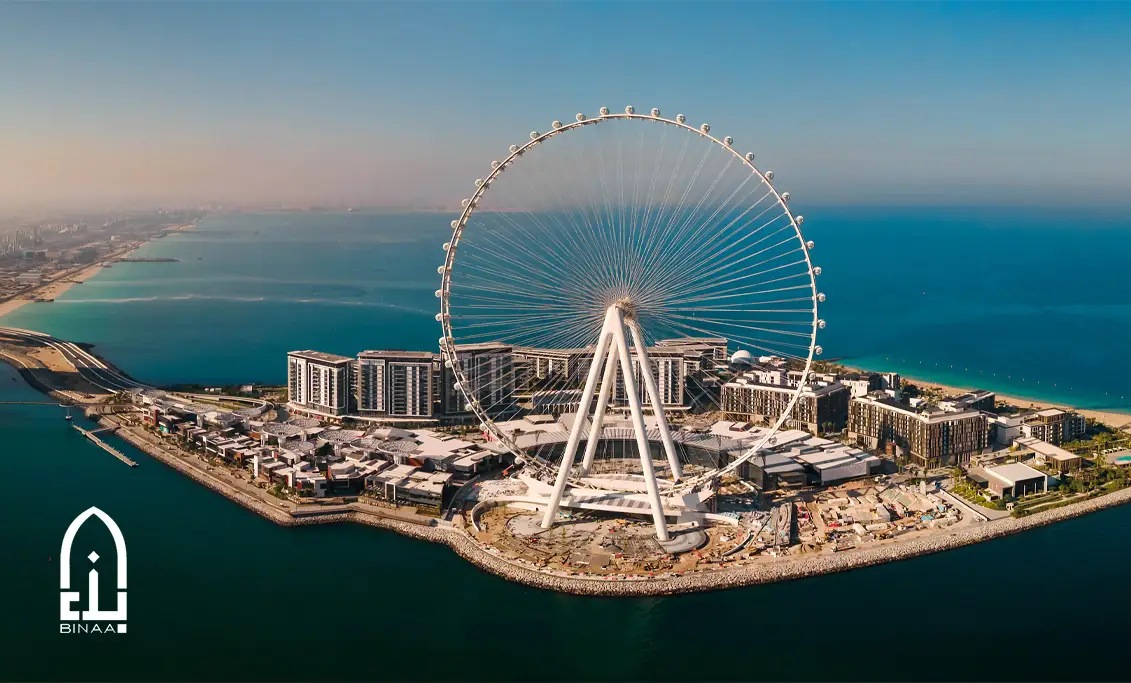
Dubai has become one of the world’s most attractive destinations for professionals, entrepreneurs, and real estate investors. Known for its modern infrastructure, tax advantages, and global business environment, the city continues to attract thousands of new residents each year. Located in the United Arab Emirates, Dubai offers a high standard of living supported by advanced public services, international schools, luxury residential developments, and a dynamic economy.
However, before relocating or investing in property, it is essential to understand the real cost of living in the city. From housing and transportation to healthcare and daily expenses, living in Dubai can vary significantly depending on lifestyle, family size, and location. In this comprehensive guide, we explore the key expenses that expats and investors should consider when planning their move to Dubai in 2026.
Housing Costs in Dubai
Housing remains the largest expense for most residents in Dubai. The city offers a wide variety of residential options, ranging from modern studio apartments to luxury waterfront villas. Rental prices differ greatly depending on the area, building quality, amenities, and proximity to business districts.
Popular residential areas such as Dubai Marina, Downtown Dubai, and Jumeirah Village Circle are among the most sought-after neighborhoods for expatriates.
Average annual rental prices in 2026 are approximately:
Studio apartment: $10,000 – $18,000
One-bedroom apartment: $15,000 – $28,000
Two-bedroom apartment: $25,000 – $45,000
Luxury villa: $60,000 – $200,000+
For investors, purchasing property instead of renting can provide strong long-term benefits. Dubai’s real estate market offers competitive prices compared to other global cities while delivering attractive rental yields and capital appreciation potential.
Food and Grocery Expenses


Food costs in Dubai vary depending on whether residents prefer cooking at home or dining out frequently. The city has a large selection of international supermarkets, local markets, and specialty food stores that cater to diverse communities from around the world.
A typical monthly grocery budget for a single person ranges between $300 and $500. Families may spend between $800 and $1,200 depending on consumption habits and preferred brands.
Dining out is also a common lifestyle choice in Dubai, with thousands of restaurants offering cuisines from every continent. A meal at a casual restaurant may cost around $10 to $20, while dining at high-end restaurants can range from $50 to $150 per person.
Transportation Costs
Transportation in Dubai is efficient and modern, supported by an integrated network of metro lines, buses, taxis, and ride-hailing services. Many residents choose to own cars, but public transportation is widely used by professionals commuting across the city.
The Dubai Metro connects major commercial districts, residential communities, and airports, making daily commuting convenient.
Typical transportation expenses include:
Monthly public transport pass: $80 – $100
Taxi starting fare: around $3
Average monthly fuel cost: $120 – $200 depending on usage
Dubai’s roads are modern and well-maintained, and driving remains relatively affordable compared to many global cities.
Healthcare and Insurance
Healthcare in Dubai is among the most advanced in the Middle East, with both public and private hospitals offering world-class medical services. Health insurance is mandatory for residents, and most employers provide insurance coverage for employees.
Private health insurance plans typically cost between $800 and $2,500 annually depending on coverage levels and family size.
Major healthcare providers operate internationally accredited facilities throughout the city, ensuring access to high-quality treatment and specialized medical services.
Education Costs for Families
For families relocating to Dubai, education is another important expense. The city hosts a large number of international schools offering British, American, IB, and other global curricula.
Tuition fees vary significantly depending on the school and education system but generally range between:
$6,000 – $12,000 per year for mid-range international schools
$15,000 – $30,000 per year for premium institutions
Many schools provide modern campuses, advanced learning technologies, and extensive extracurricular activities that support a high standard of education.
Utilities and Monthly Living Expenses
Utility costs depend on apartment size, building efficiency, and air-conditioning usage, especially during the summer months. Most residents pay monthly bills that include electricity, water, and cooling services.
Average monthly utility expenses include:
Electricity and water: $120 – $250
Internet and mobile services: $80 – $150
Building maintenance and service fees (for property owners): varies depending on development quality
Despite these costs, Dubai remains competitive compared to other global financial hubs due to its tax-free income structure.
Lifestyle and Entertainment Costs
Dubai offers one of the most vibrant lifestyle environments in the world. Residents have access to luxury shopping malls, beaches, entertainment venues, cultural attractions, and international events throughout the year.
Popular destinations such as Burj Khalifa and Dubai Mall attract both residents and tourists, contributing to the city’s dynamic lifestyle.
Entertainment expenses vary widely depending on lifestyle preferences. A typical monthly entertainment budget may range between $200 and $600 for dining, cinema, fitness memberships, and leisure activities.
Investment Perspective: Is Dubai Affordable for Investors?
From an investment standpoint, Dubai offers a compelling combination of relatively moderate living costs and strong economic opportunities. Compared with cities like London, New York, or Singapore, Dubai provides:
Tax-free personal income
High rental yields (often 5%–8%)
Modern infrastructure and safety
Transparent property ownership laws for foreigners
These factors have positioned Dubai as one of the most attractive global real estate markets for international investors seeking stable returns and lifestyle benefits.
Total Monthly Cost of Living in Dubai
To summarize, the average monthly cost of living in Dubai in 2026 can be estimated as follows:
Single professional:
$2,500 – $4,000 per month
Couple:
$3,500 – $6,000 per month
Family of four:
$6,000 – $12,000 per month
These figures vary depending on housing choices, lifestyle preferences, and school selection for families.
Final Thoughts
Dubai continues to offer a unique balance between quality of life, global business opportunities, and investment potential. While living costs can be higher than some regional cities, the benefits of tax-free income, modern infrastructure, safety, and international connectivity make it an appealing destination for expats and investors alike.
For individuals considering relocation or property investment, understanding the cost of living is an essential step toward making informed decisions. With careful financial planning and the right residential location, living in Dubai can provide both lifestyle advantages and long-term financial opportunities in one of the world’s fastest-growing global cities.