


Freehold vs Leasehold Property in Dubai: What Foreign Buyers Must Know
Dubai has become one of the world’s most attractive real estate destinations for international investors. With tax-free rental income, high rental yields, strong infrastructure, and a transparent regulatory framework, the emirate continues to draw buyers from Europe, Asia, the Middle East, and beyond. However, one of the most important legal distinctions every foreign buyer must understand before investing is the difference between freehold and leasehold property in Dubai.
Understanding freehold vs leasehold property in Dubai is not just a technical matter. It directly affects ownership rights, inheritance, resale value, long-term returns, and overall investment security. For foreign buyers entering the Dubai real estate market, choosing the correct ownership structure can determine the success of their investment strategy.
This guide explains everything foreign investors need to know about freehold and leasehold property in Dubai, including legal differences, benefits, risks, costs, and which option may be best depending on your investment goals.
Understanding Property Ownership Laws in Dubai
Before 2002, foreign nationals could not legally own property in Dubai. This changed when the government introduced freehold ownership for foreigners in designated areas. The move transformed Dubai into a global real estate hub and accelerated international investment.
Today, foreign investors can purchase property in specific freehold areas approved by the Dubai government. Outside these zones, ownership is typically limited to leasehold structures.
Dubai’s property market is regulated by the Dubai Land Department (DLD) and the Real Estate Regulatory Agency (RERA), ensuring legal transparency, contract registration, and investor protection. This regulatory framework has strengthened investor confidence and positioned Dubai as one of the safest real estate markets in the region.
Understanding whether a property is freehold or leasehold is essential before signing any sales agreement.
What Is Freehold Property in Dubai?


Freehold property in Dubai refers to full ownership of both the property unit and the land on which it is built. When you purchase a freehold property, you become the absolute owner, and your name is registered on the title deed issued by the Dubai Land Department.
Foreign buyers can purchase freehold properties in designated areas such as:
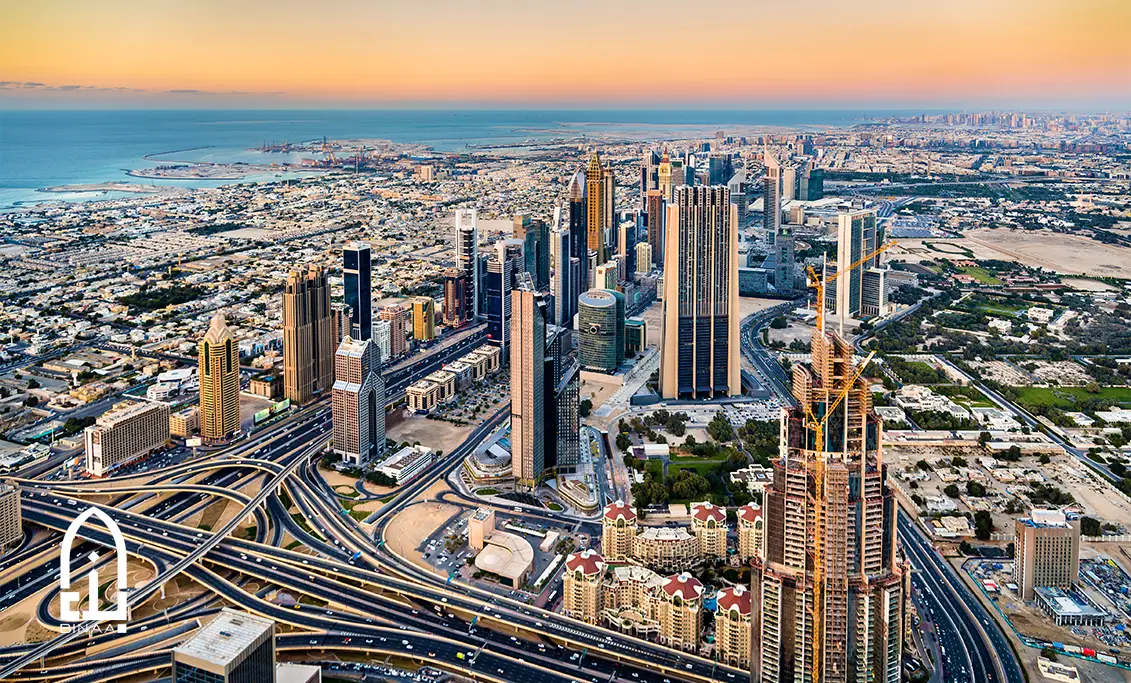
Downtown Dubai
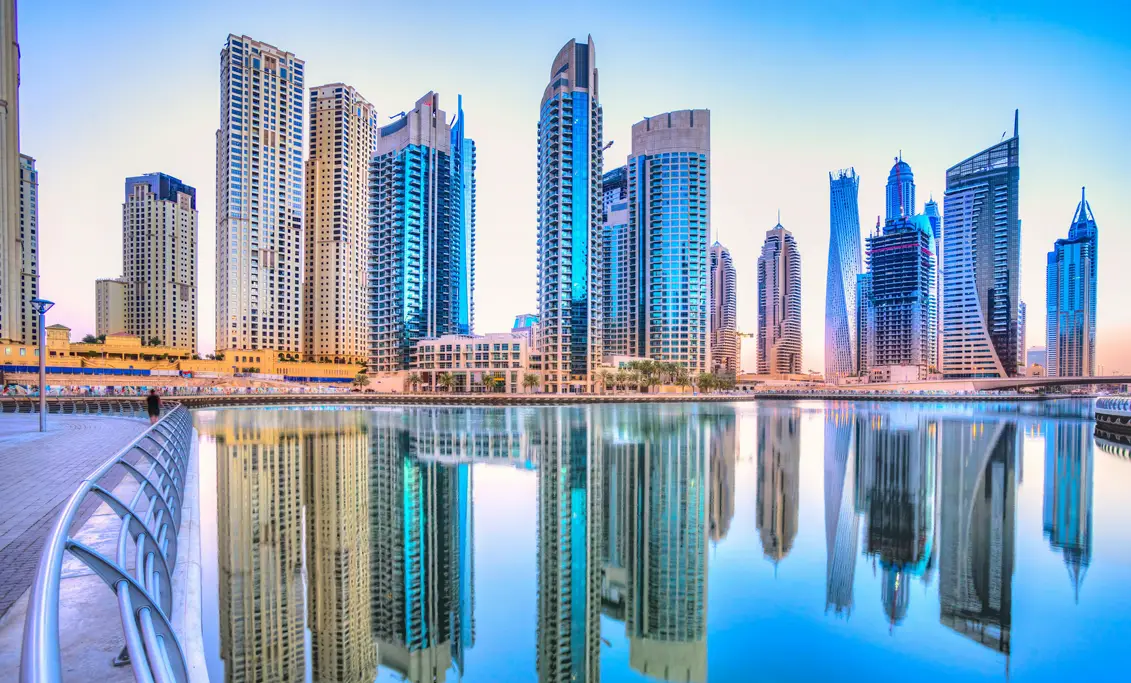
Dubai Marina
Palm Jumeirah
Business Bay
Jumeirah Village Circle
In these zones, foreign nationals enjoy the same ownership rights as UAE nationals.
Key Features of Freehold Property
Full ownership of the property and land
No time limitation on ownership
Right to sell, lease, or transfer at any time
Ability to pass property to heirs
Eligibility for investor residency visa (subject to criteria)
Freehold ownership provides maximum security and flexibility, making it the preferred option for most foreign real estate investors in Dubai.
Advantages of Freehold Property for Foreign Buyers
Complete Ownership Rights
Freehold property gives investors full control. You can rent the unit, sell it, renovate it (within community guidelines), or hold it long-term for capital appreciation.
Strong Capital Appreciation Potential
Prime freehold areas in Dubai have historically shown significant capital growth, particularly in waterfront and central locations. As infrastructure expands and demand rises, property values in premium zones continue to appreciate.
High Rental Yields
Dubai offers some of the highest rental yields globally, typically ranging between 5% and 9% annually in many communities. Freehold property allows investors to benefit fully from rental income without ownership restrictions.
Long-Term Security
Because ownership is indefinite, freehold property is ideal for investors seeking long-term wealth preservation and portfolio diversification.
Residency Opportunities
Investing in freehold property above certain value thresholds can qualify buyers for renewable residency visas, making it attractive for international investors seeking regional mobility.
What Is Leasehold Property in Dubai?
Leasehold property in Dubai grants the buyer the right to use the property for a fixed period, usually between 30 and 99 years. However, ownership of the land remains with the freeholder (often a master developer or landowner).
When you buy a leasehold property, you do not own the land permanently. Instead, you lease the property for the agreed term.
Leasehold properties are typically located in areas that are not designated as freehold zones for foreign investors.
Key Characteristics of Leasehold Property
Fixed-term ownership (commonly up to 99 years)
Land ownership remains with the landlord
Possible restrictions on alterations
Renewal terms subject to agreement
Resale permitted within lease period
Leasehold property may appear more affordable initially, but investors must evaluate long-term implications carefully.
Advantages of Leasehold Property
Lower Initial Purchase Price
Leasehold properties are often priced lower than freehold properties in comparable locations. This can reduce upfront capital requirements.
Access to Certain Locations
In some communities where freehold ownership is not available, leasehold provides access to otherwise restricted areas.
Suitable for Medium-Term Investment
Investors seeking shorter investment horizons may find leasehold acceptable, especially if rental returns are strong.
Disadvantages and Risks of Leasehold Property
Limited Ownership Duration
Since ownership is time-bound, the asset value may decrease as the lease period shortens.
Renewal Uncertainty
At the end of the lease term, renewal conditions are subject to negotiation. There is no automatic guarantee of extension.
Restrictions on Modifications
Leasehold agreements may restrict property alterations, redevelopment, or structural changes.
Financing Limitations
Some banks may be more cautious when financing leasehold property, particularly if the remaining lease term is short.
For foreign investors seeking long-term capital preservation, these limitations can significantly impact strategy.
Freehold vs Leasehold Property in Dubai: Major Differences
Ownership Structure
Freehold: Full ownership of property and land
Leasehold: Right to use property for fixed term only
Duration
Freehold: Unlimited
Leasehold: 30 to 99 years
Inheritance
Freehold: Can be transferred to heirs
Leasehold: Limited to remaining lease term
Value Retention
Freehold: Stronger long-term appreciation
Leasehold: Value may decline as lease shortens
Investor Preference
Most foreign buyers prefer freehold property in Dubai due to legal security, capital growth potential, and unrestricted ownership rights.
Which Option Is Better for Foreign Investors?
The answer depends on investment objectives.
For Long-Term Capital Appreciation
Freehold property is generally the better option. It provides full ownership, stronger resale value, and greater market demand.
For Rental Income Strategy
Both freehold and leasehold can generate rental income. However, freehold typically attracts more international buyers and tenants due to ownership stability.
For Budget-Conscious Buyers
Leasehold may offer lower entry prices, but long-term considerations must be carefully evaluated.
For Residency Planning
Freehold property is typically more aligned with long-term residency visa eligibility.
Legal Considerations for Foreign Buyers
Foreign buyers must ensure:
The property is located in a designated freehold area (if purchasing freehold)
The title deed is registered with the Dubai Land Department
All payments are made through official escrow accounts for off-plan properties
Service charges and community fees are clearly understood
Conducting due diligence through reputable real estate brokers and legal advisors is critical.
Costs Associated with Buying Property in Dubai
Whether freehold or leasehold, buyers should budget for:
4% Dubai Land Department transfer fee
Agency commission (typically 2%)
Trustee office fees
Service charges (annual maintenance fees)
Mortgage registration fees (if financing)
These costs should be factored into overall return on investment calculations.
Market Trends and Foreign Ownership Demand
Dubai’s real estate market continues to attract global capital due to:
Zero property tax
No capital gains tax
Strong infrastructure growth
Economic diversification
Investor-friendly regulations
Freehold zones have seen increasing transaction volumes, particularly in waterfront and lifestyle-driven communities.
As Dubai strengthens its global position in tourism, finance, and technology, demand for secure freehold property ownership is expected to remain strong.
Final Thoughts
Understanding the difference between freehold vs leasehold property in Dubai is essential for every foreign buyer entering the market. While both ownership structures have their advantages, freehold property generally offers greater long-term security, stronger capital appreciation potential, and maximum ownership rights.
Leasehold property may suit certain investment profiles, particularly those seeking lower upfront costs or shorter-term strategies. However, investors must carefully assess lease duration, renewal conditions, and long-term value implications.
For most international investors looking to build wealth, generate rental income, and secure a stable real estate asset in one of the world’s fastest-growing property markets, freehold property in Dubai remains the preferred and more strategic choice.