

Second Home Trends: Why Families Are Choosing Dubai and Turkey
The global trend of owning a second home has been evolving rapidly in 2026. Families are increasingly looking beyond their home countries for vacation homes, investment properties, or retirement options. Among the top destinations, Dubai and Turkey are emerging as leading choices for international buyers seeking a combination of lifestyle, investment potential, and accessibility.
This article explores why families are selecting these two markets, the benefits of second home ownership, and key factors driving demand in 2026.
1. Lifestyle and Luxury Amenities
Families seeking second homes prioritize comfort, safety, and high-quality amenities.
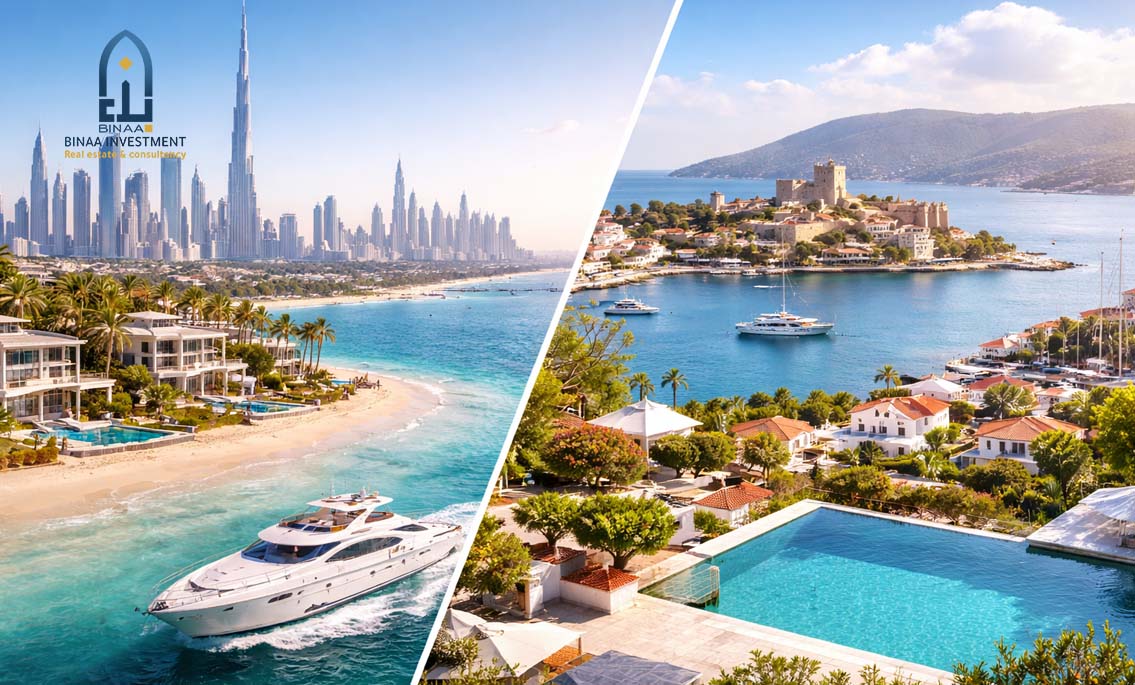
Dubai offers:
Gated communities and beachfront properties
International schools and healthcare facilities
Luxury shopping, dining, and leisure destinations
Turkey provides:
Coastal resorts along the Mediterranean and Aegean
Traditional and modern villas with scenic views
Family-friendly neighborhoods with local amenities
Both markets cater to families looking for a seamless lifestyle combining relaxation and convenience.
2. Attractive Investment Potential


Second homes are increasingly seen as a financial asset, not just a vacation property.
Dubai offers rental yields of 6–10% in prime areas and strong capital appreciation potential in emerging districts.
Turkey provides competitive pricing in coastal regions like Bodrum, Antalya, and Fethiye, with rising tourism-driven rental income.
For families, this means their second home can generate income when not in use, helping offset ownership costs.
3. Accessibility and Global Connectivity
Ease of travel is a top factor for families investing abroad.
Dubai: Emirates and other airlines connect Dubai to Europe, Asia, and Africa within 6–8 hours.
Turkey: Istanbul, Antalya, and Izmir are major hubs connecting Europe and the Middle East.
Frequent direct flights, visa facilitation, and transport infrastructure make both destinations highly accessible for weekend getaways or extended stays.
4. Tax and Legal Benefits
Ownership regulations and taxes influence second home purchases:
Dubai: No property tax, no capital gains tax, no income tax on rentals; foreign ownership allowed in freehold areas.
Turkey: Foreigners can purchase property, with recent incentives for investment and residency linked to real estate acquisition.
These frameworks simplify ownership, minimize costs, and make property in these markets more attractive than Europe or North America.
5. Security and Stability
Safety is paramount for families:
Dubai: Rated among the safest cities globally, with strict laws and modern infrastructure.
Turkey: Coastal resort areas have well-maintained communities with private security and gated complexes.
A stable and secure environment ensures peace of mind for families living or vacationing abroad.
6. Diverse Property Options
Families have different preferences depending on their needs:
Dubai: Beachfront apartments, villas in golf communities, and townhouses with community amenities.
Turkey: Seaside villas, countryside retreats, and modern apartments in metropolitan areas.
Both markets offer flexible options suitable for short-term holidays, long-term rentals, or full-time residence.
7. Lifestyle Trends Driving Demand
The pandemic and remote work culture accelerated interest in second homes. Families now seek:
Flexible spaces for work-from-home setups
Proximity to recreational and outdoor activities
Communities that balance luxury living with affordability
Dubai and Turkey have responded by offering turnkey developments with community facilities tailored for modern families.
8. Government Incentives and Residency Programs
Both countries encourage foreign ownership through incentives:
Dubai: Golden Visa programs for investors and long-term residents
Turkey: Citizenship-by-investment programs for qualifying real estate purchases
These incentives not only simplify ownership but also provide long-term planning options for families considering relocation.
9. Healthcare and Education Facilities
High-quality healthcare and education are crucial for families:
Dubai: International hospitals, clinics, and schools offering IB and British curriculums
Turkey: International schools and hospitals in major cities and tourist regions
This ensures families can access essential services without compromising lifestyle.
Conclusion
In 2026, families seeking second homes are increasingly gravitating toward Dubai and Turkey due to their combination of lifestyle, investment potential, safety, accessibility, and government incentives. Both markets provide high-quality properties, excellent amenities, and long-term growth potential, making them ideal destinations for global families looking for a second home.
For international buyers, a second home in Dubai or Turkey represents not only a lifestyle upgrade but also a strategic investment that balances personal enjoyment with financial returns.